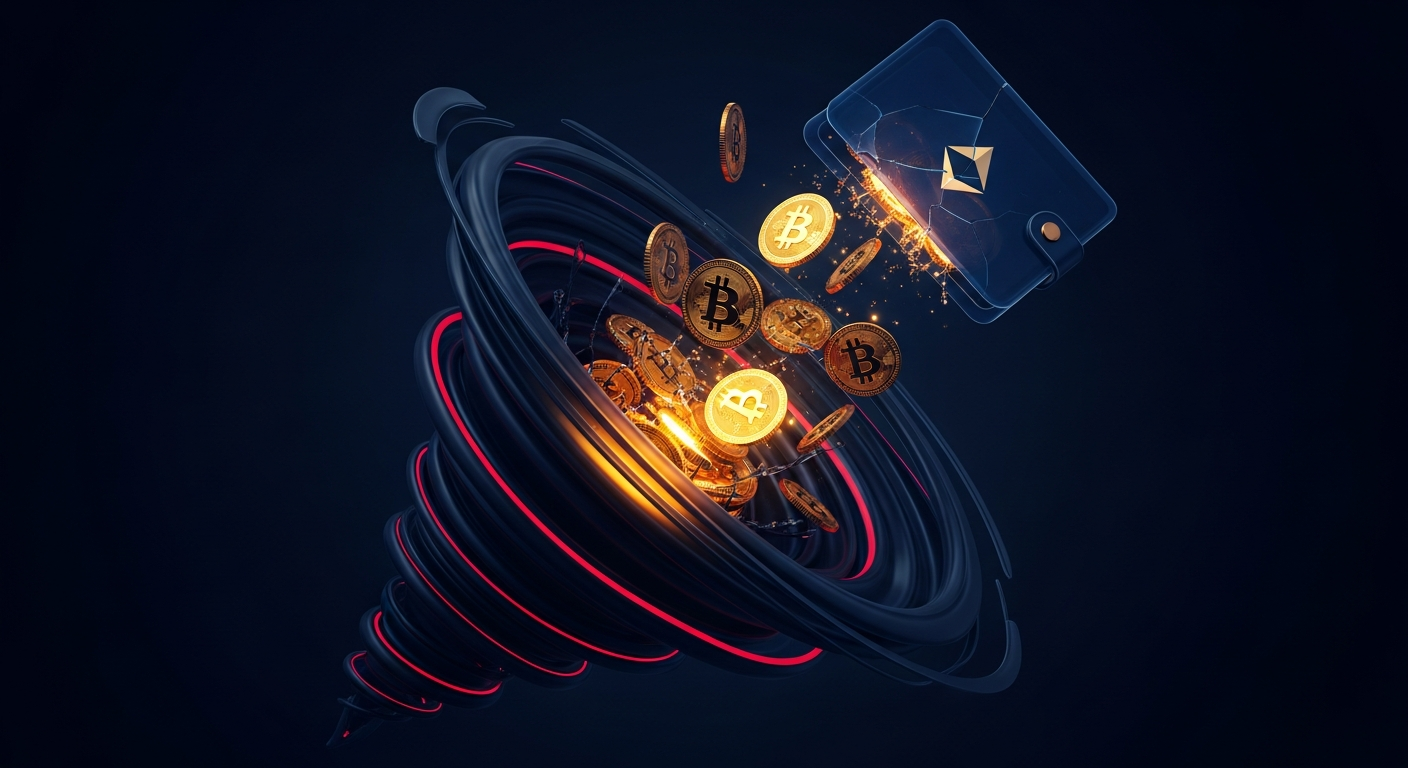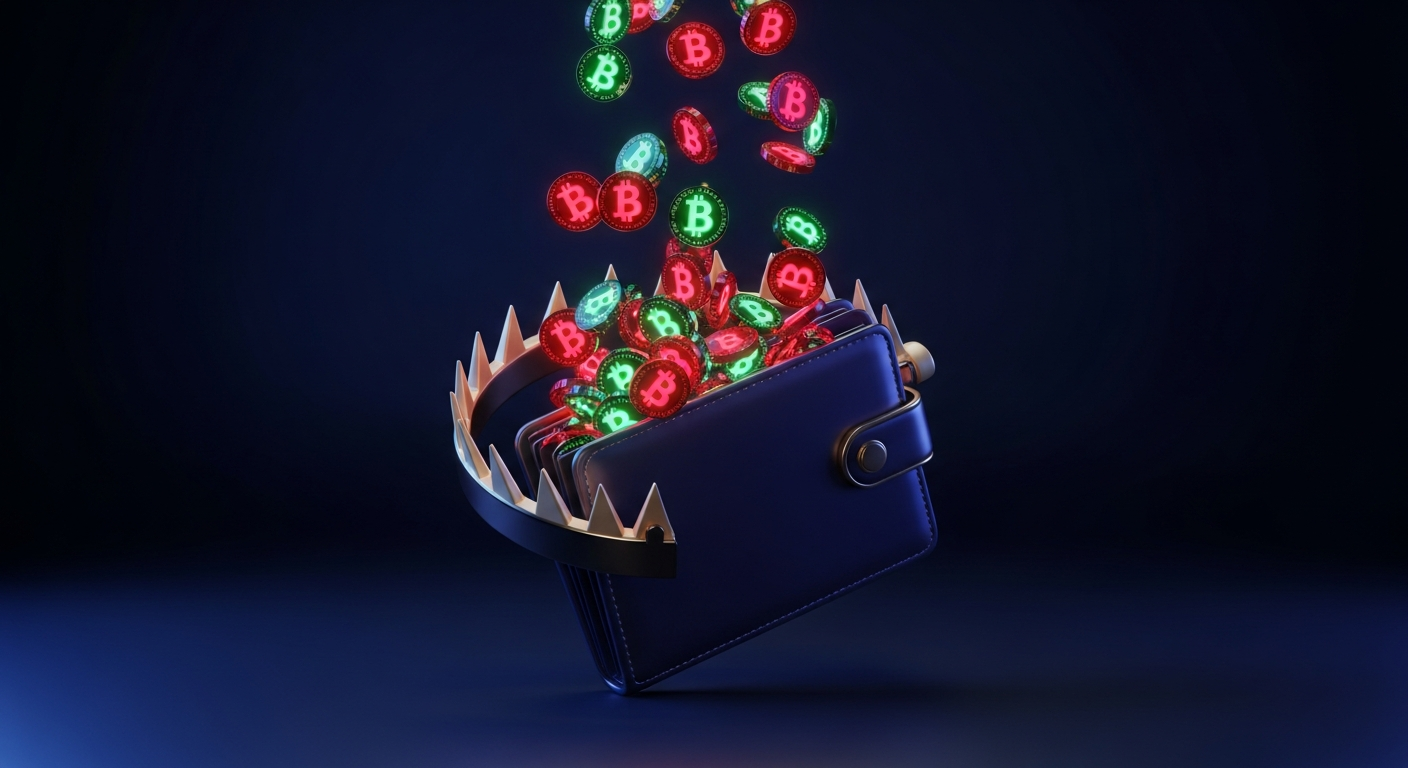
If you have ever opened your wallet and noticed tokens or NFTs you never bought, you have witnessed a malicious airdrop. Scammers send unsolicited assets to thousands of public addresses at once, hoping that curiosity will pull you into a trap. The tokens themselves are not the danger. The danger is what you are tempted to do next.
These campaigns are cheap to run and scale to millions of wallets. A single contract deployment can spray worthless tokens across an entire chain, and every recipient becomes a potential victim. The names are designed to provoke action, often promising a reward, a claim, or a visit to a slick looking website printed right into the token name.
This guide explains exactly how malicious airdrops work, the variations you will run into, the red flags that give them away, and the simple habits that keep your funds safe. The core lesson is short: an unsolicited token is just noise until you interact with it.
How Scammers Airdrop Unsolicited Tokens and NFTs
On most public blockchains, anyone can send a token or NFT to any address without permission from the recipient. A scammer deploys a token contract, generates or buys a list of active wallet addresses, and mass distributes their asset in bulk. The cost per recipient is tiny, so a single campaign can target hundreds of thousands of wallets in one batch.
Because you never opted in, these tokens simply appear in your balance or NFT gallery. They often mimic the look of legitimate projects, using familiar logos, similar names, or trendy themes to seem credible at a glance.
- The token name or symbol frequently contains a website address or an instruction such as claim your reward.
- NFT versions may include images urging you to visit a site to unlock a prize.
- The same asset is sent to many wallets, so a quick search shows thousands of identical recipients.
- You did not sign any transaction, yet the asset shows a nonzero balance.
Why the Tokens Appear: Bait to Lure You to a Website
The airdrop is not the attack. It is the advertisement. The entire purpose of dropping a token into your wallet is to get you to read its name, grow curious, and follow the trail to a website the scammer controls.
Token metadata is fully attacker controlled, so the name field becomes free advertising space inside your own wallet. A token might be named after a fake claim portal, a counterfeit version of a real project, or an urgent message designed to trigger fear of missing out.
- The name promises a large reward that feels too good to ignore.
- It implies urgency, suggesting the claim window is closing soon.
- It impersonates a brand or event you already trust or recognize.
Every one of these techniques exists for a single reason: to move you off your wallet and onto a phishing site where the real theft happens.
The Claim and Connect Wallet Trap
When a curious user visits the website named in a scam token, they typically land on a polished page offering to let them claim their reward. The page asks you to connect your wallet, and from there the attack unfolds.
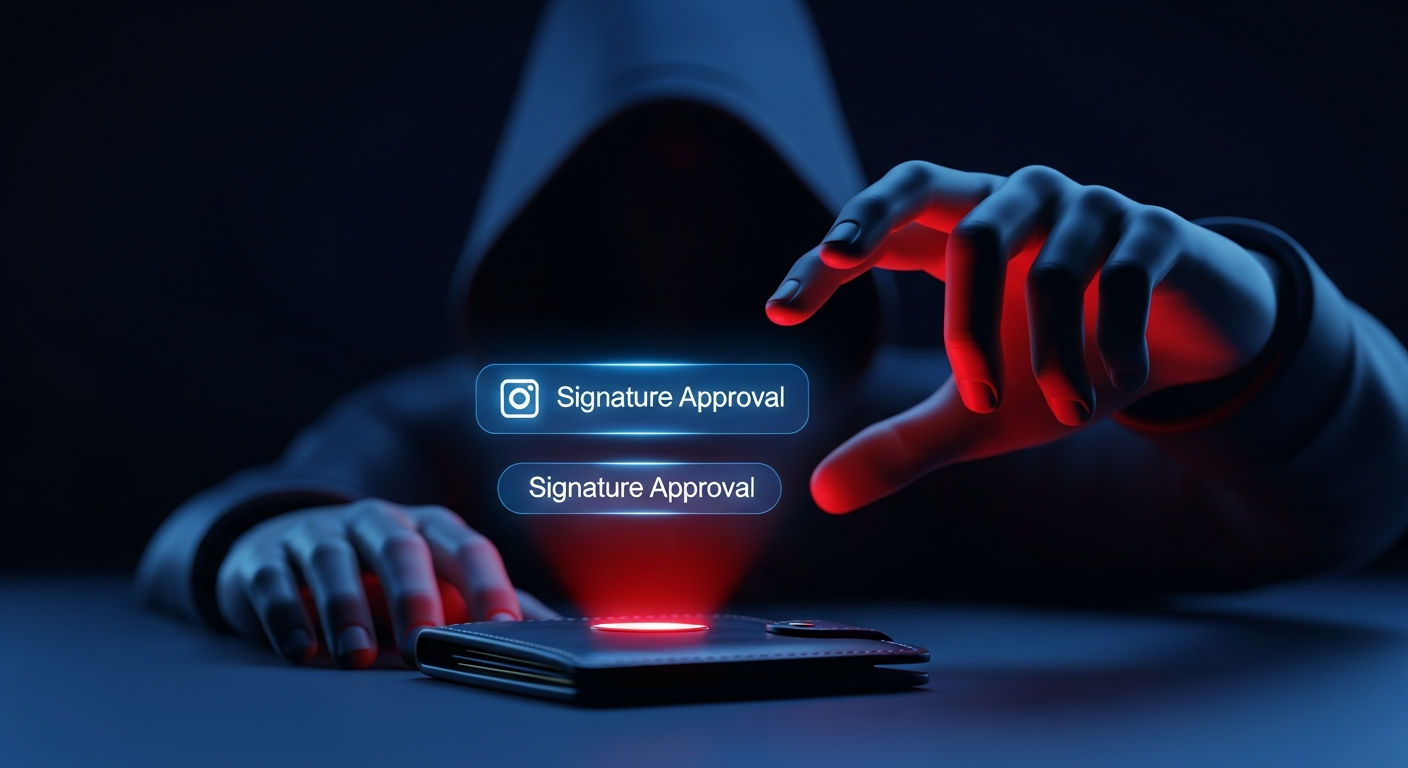
Connecting a wallet by itself only shares your public address, but the scam does not stop there. The site immediately prompts you to sign a transaction or approve a permission, framing it as a required step to complete the claim.
- A malicious token approval can grant the scammer permission to move your real tokens, not the junk one.
- A deceptive signature request may authorize a transfer or drain through a hidden delegation.
- Some pages mimic a normal claim button while quietly requesting unlimited spending allowance.
The moment you approve, the attacker can sweep the valuable assets out of your wallet. There is no real reward. The claim button is the trap, and the worthless airdropped token was only the breadcrumb that led you to it.
The Honeypot Variant: Buy on a DEX, Then Cannot Sell
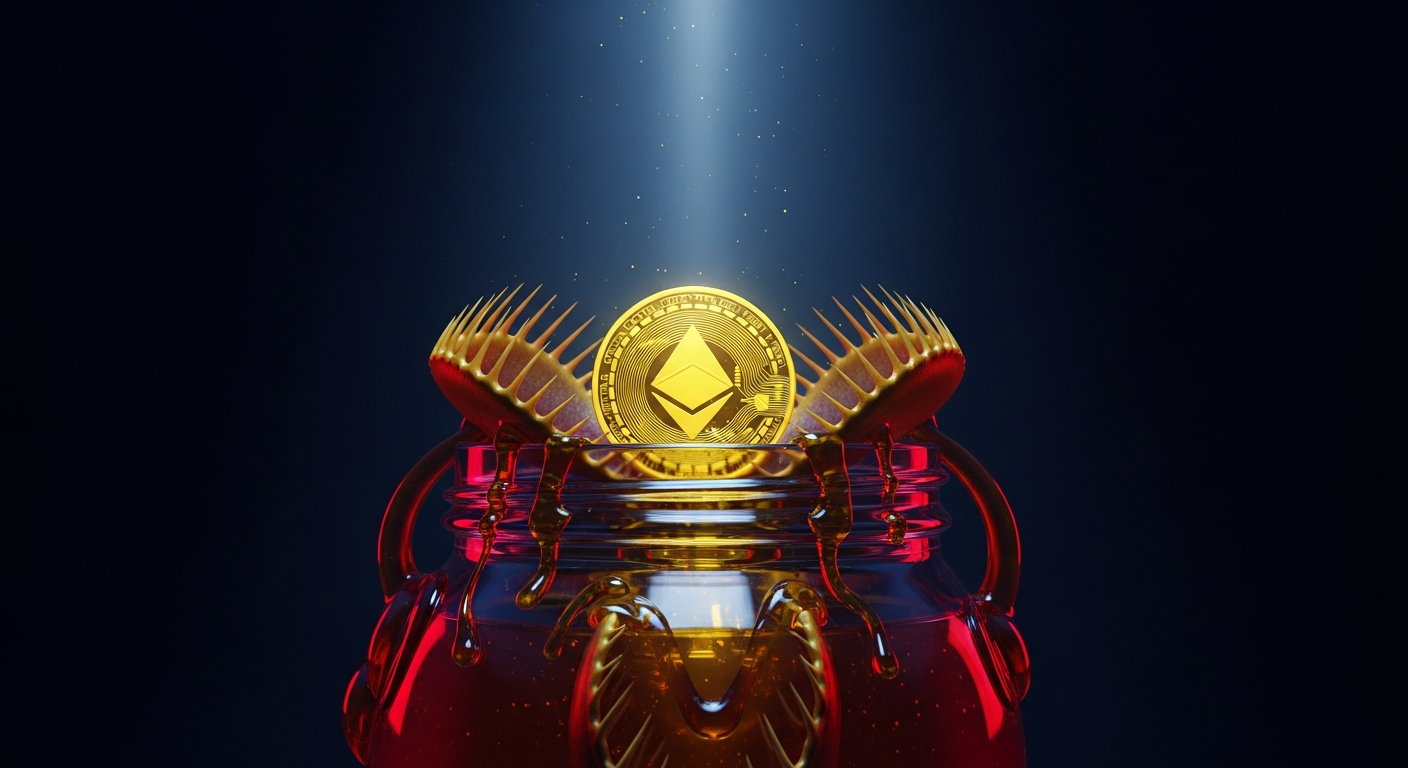
A more elaborate version turns the airdropped token into bait for a honeypot. Here the scammer wants you to find the token, see that it appears to be trading, and buy more of it on a decentralized exchange.
The token shows a rising price chart and apparent liquidity, so it looks like an early opportunity. You swap real cryptocurrency to buy in, expecting to sell later for a profit. The problem is hidden in the contract code.
- The contract is written so that only the creator can sell, while everyone else is blocked.
- Sell transactions revert, get taxed at extreme rates, or silently fail for ordinary holders.
- Liquidity may be pulled by the creator once enough buyers are trapped, leaving the token worthless.
In a honeypot, buying is easy and selling is impossible by design. The money you spend to buy in is the loss, and no amount of waiting unlocks it because the restriction is coded into the token itself.
Dusting and Address Poisoning Variants
Two related tactics use tiny transfers rather than flashy reward tokens. Both rely on small amounts to manipulate or track you.
Dusting sends a minuscule amount of a token or coin to many addresses. Analysts then watch how that dust moves to cluster addresses together and de-anonymize wallet owners, which can fuel targeted phishing or extortion later.
Address poisoning is more direct and aims to steal during your next transfer. The scammer creates a lookalike address that shares the same first and last characters as one you frequently use, then sends a token from it so it appears in your transaction history.
- You later copy an address from history instead of your saved contact, and the lookalike slips in.
- You verify only the first and last few characters, which match, and miss the different middle.
- You send funds to the attacker rather than your intended recipient.
The defense is to never copy addresses from transaction history and to verify the full address, not just the ends.
How to Handle Junk Tokens Safely
The safest response to an unexpected token is to do nothing with it. These assets cannot harm you while they sit untouched in your wallet. The risk only appears when you interact, approve, or visit the linked site.
- Do not click, swap, send, or approve the token in any way.
- Do not visit any website printed in the token name or NFT image.
- Hide or mark the token as spam in your wallet interface to remove it from view.
- Never connect your wallet to a claim site associated with an unsolicited token.
- Never sign a transaction or approval you did not initiate yourself.
- If you want certainty, inspect the contract on a block explorer before assuming anything, and still avoid interacting.
Most modern wallets let you hide spam tokens, and many automatically flag known scam contracts. Leaving the junk in place and ignoring it costs you nothing. Engaging with it is the only path to loss.
Red Flags to Watch For
- ✕Tokens or NFTs appear in your wallet that you never bought or claimed.
- ✕The token name or symbol contains a website address or an instruction to claim.
- ✕The asset promises an unusually large reward or implies an urgent deadline.
- ✕A linked site asks you to connect your wallet to claim before you can do anything.
- ✕You are prompted to sign a transaction or approve spending to complete a claim.
- ✕A token shows a rising price but selling it on a DEX fails or reverts.
- ✕A tiny unexplained transfer arrives from an address that looks almost identical to one you use.
- ✕The same token has been sent to thousands of identical recipient wallets.
How to Protect Yourself
- ✓Never interact with unknown tokens that arrive unsolicited in your wallet.
- ✓Do not connect your wallet to any site that promises to let you claim a surprise token.
- ✓Never sign transactions or approvals you did not personally initiate.
- ✓Use a clean, separate wallet for testing and avoid exposing your main holdings.
- ✓Inspect a suspicious contract on a block explorer such as Etherscan before drawing conclusions.
- ✓Hide or mark junk tokens as spam and simply ignore them.
- ✓Never copy addresses from transaction history, and verify the full address rather than just the ends.
- ✓Review and revoke unnecessary token approvals periodically using a trusted revoke tool.
Frequently Asked Questions
Is it dangerous to just have a scam token in my wallet?+
No. A token sitting in your wallet cannot move your funds on its own. The danger only begins if you interact with it, visit the website in its name, connect your wallet to a claim site, or approve a transaction. Leave it alone and hide it.
Can I safely sell or transfer a junk airdrop token to get rid of it?+
It is best not to try. Many scam tokens are honeypots that block selling, and the contract may be designed to trigger malicious approvals or fail in ways that benefit the attacker. Hide the token instead. There is no benefit to engaging with it.
Why did I receive a tiny amount of a token I do not recognize?+
This is likely dusting or address poisoning. Dusting tries to track and de-anonymize your wallet, while address poisoning plants a lookalike address in your history so you accidentally copy it later. Never copy addresses from history and always verify the full address.
How do I check whether a token is a scam before I do anything?+
Look up the contract on a block explorer to see how many wallets received it and whether holders can sell. If the same asset was mass distributed or selling is restricted, treat it as a scam. When in doubt, do not interact and simply hide it.
This guide is general educational information, not financial, legal, or security advice. Crypto transactions are irreversible — always do your own research and verify independently before acting.